Clear, written scope before work starts
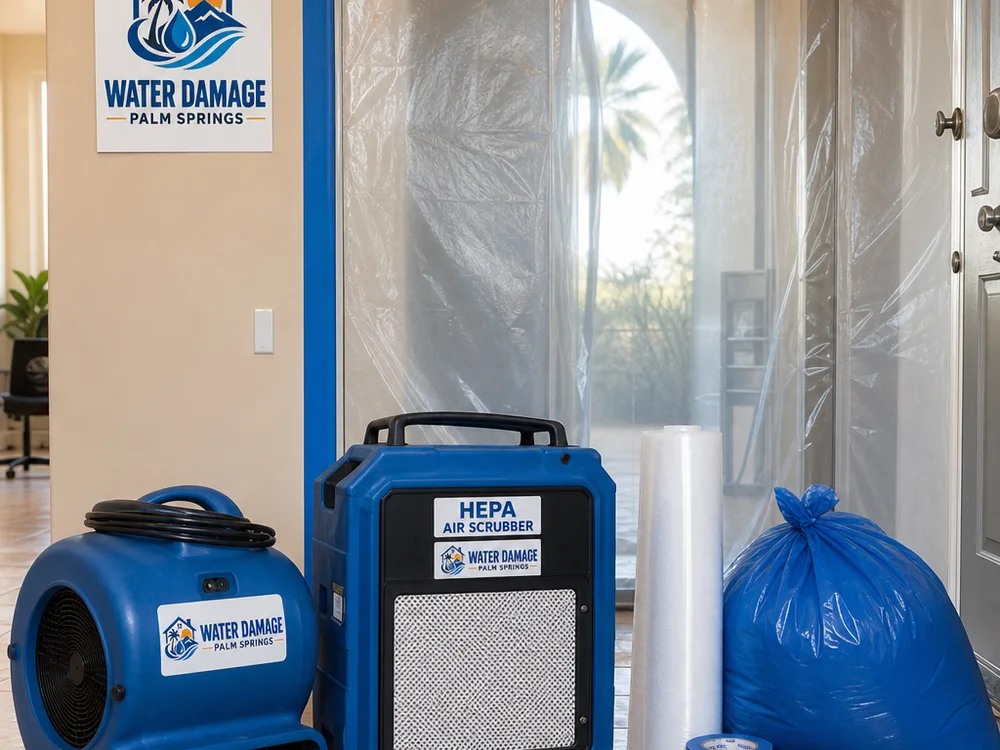
We outline affected areas, what gets removed vs. cleaned, what equipment is used—including containment, negative air, and HEPA filtration—and what the next restoration steps look like.
Serving Palm Springs, California & surrounding areas
24/7 Emergency Response
Mold removal · Palm Springs
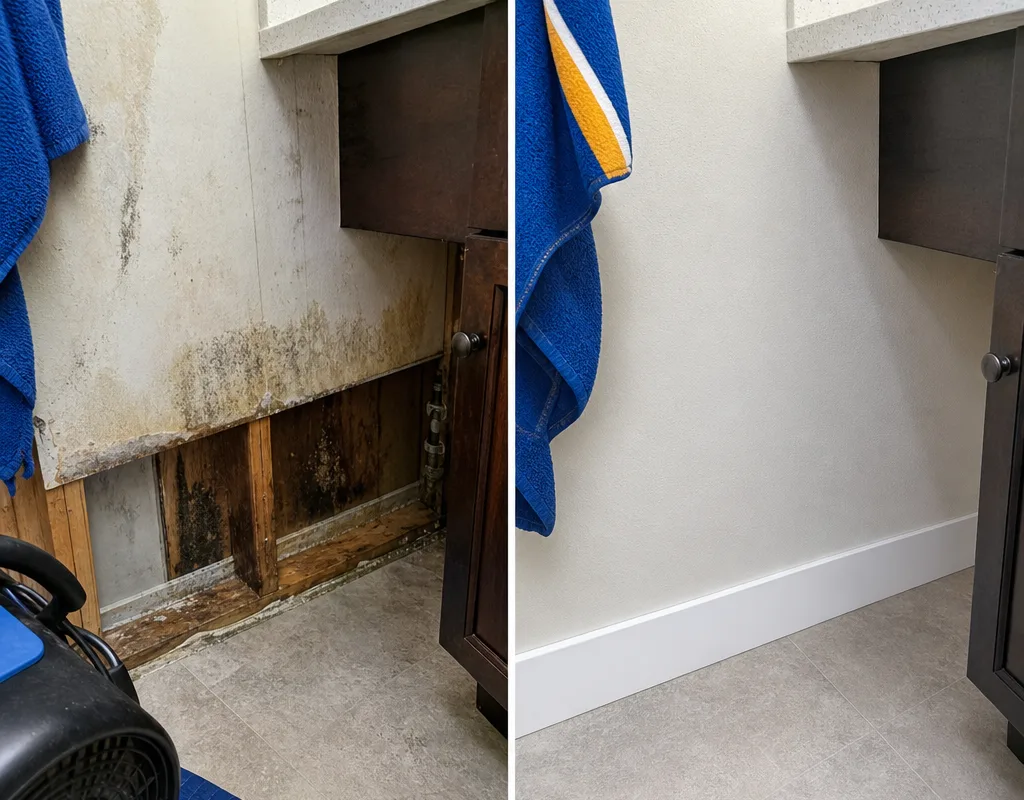
If you smell a musty odor or see staining on drywall, baseboards, or ceilings, treat it as a moisture problem first. Our certified team identifies the source, contains the work area, removes mold safely, and restores affected surfaces so your indoor air feels clean again.
Containment-led remediation
Mold removal in Palm Springs is rarely a simple wipe-down. Visible growth is usually the symptom of moisture trapped in drywall, under flooring, inside a wall cavity, or around HVAC returns.
Our mold remediation work focuses on four things:
If you are comparing providers, look for a written scope that clearly lists the affected areas, the containment approach, what materials will be removed versus cleaned, and what the restoration will include. Moisture control is the foundation of successful mold remediation.
Property-specific inspection
Palm Springs properties range from mid-century construction to newer builds, and mold patterns vary with how the building is used and cooled. We commonly see:
We serve homes and rentals across Palm Springs, including condos with shared plumbing chases and neighborhoods with older windows or roof details where small intrusions can go unnoticed until staining appears. The right plan depends on what is wet, how long it has been wet, and whether materials are deteriorating.
Controlled cleanup and restoration
We outline affected areas, what gets removed vs. cleaned, what equipment is used—including containment, negative air, and HEPA filtration—and what the next restoration steps look like.
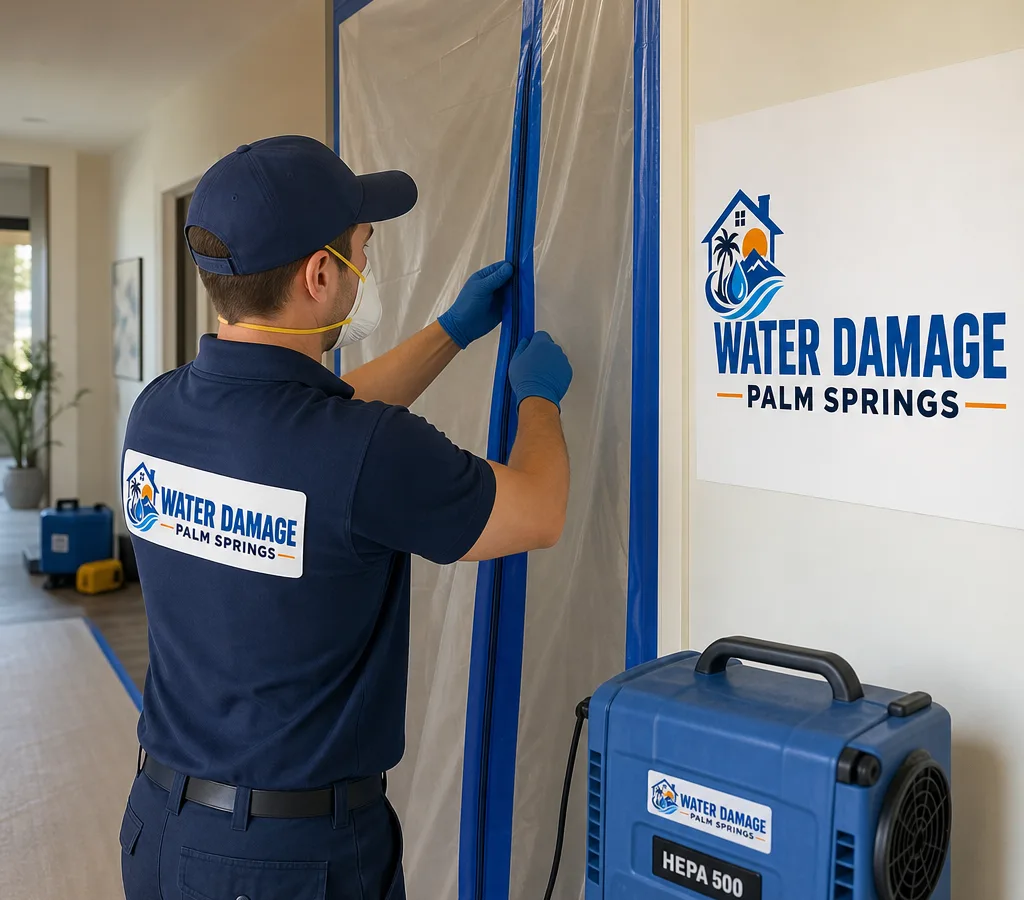
Protecting the rest of the home matters. We set barriers and control airflow so dust and spores are managed during demolition and cleaning.
Drywall, insulation, framing, tile, and cabinetry all respond differently. We match methods to the material so you do not pay for unnecessary tear-out.
Musty smells often linger when residues remain. HEPA filtration and detailed surface cleaning reduce the sources that keep odors coming back.
After remediation, the space needs to be put back together. We can coordinate the rebuild scope so repairs follow the same plan used during removal.
Inspection through restoration
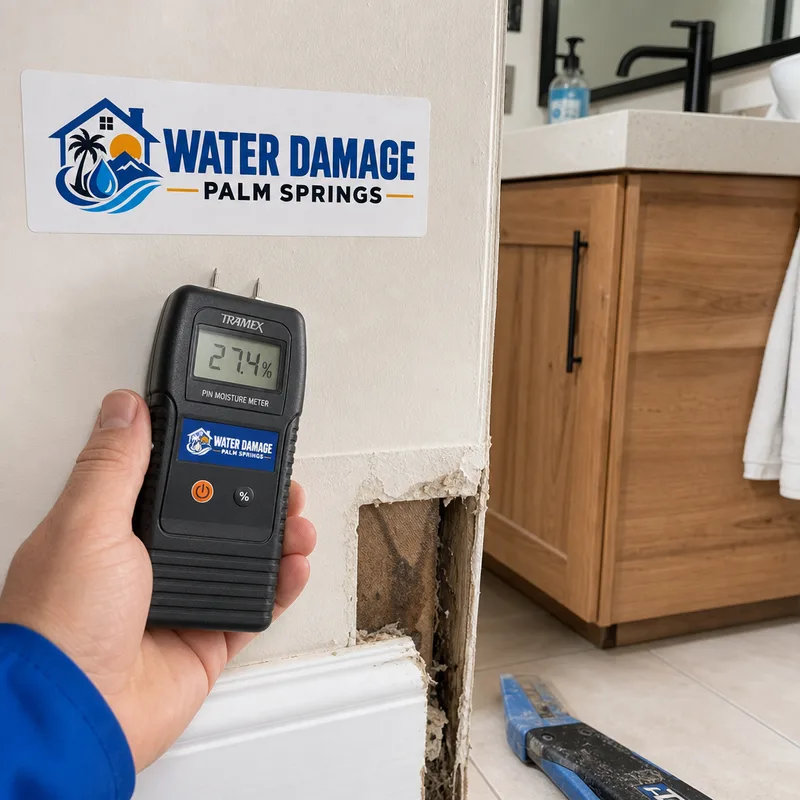
We inspect visible growth and surrounding materials, check for elevated moisture with meters, and identify the most likely moisture source to address.
We isolate the work zone with plastic, create negative air when needed, and place HEPA air scrubbers so disturbed particles are captured rather than drifting through the home.
When drywall, insulation, carpet padding, or other porous materials are colonized, we remove and bag them for proper disposal to prevent re-contamination.
We HEPA vacuum, damp wipe, and detail-clean framing, concrete, tile, and other remaining surfaces. Where appropriate, remediation products are selected for the job conditions and material type.
We dry the area as needed and verify conditions before closing containment. If a third-party clearance test is requested, we coordinate timing so the site is ready for sampling.
Once the space is clean and dry, we plan repairs such as drywall replacement, texture, paint, baseboards, and any cabinet or flooring work affected by removal.
Planning the scope
Mold removal in Palm Springs typically ranges from about $900 to $3,500 for a small to mid-sized, contained area, while larger multi-room remediation with significant demolition and drying often runs $4,000 to $12,000+.
Final cost depends on the square footage affected, whether porous materials such as drywall, insulation, or cabinetry must be removed, how hard the area is to access—including attics, tight closets, and HVAC chases—and whether drying equipment is needed. The exact price is confirmed after an on-site inspection and a written scope.
Desert property context
If you manage rentals or seasonal homes, mold issues often get worse when a property sits closed up for long stretches. A small leak or a poorly draining condensate line can turn into a bigger remediation once humidity has time to build.
A few practical steps help you avoid repeat problems after mold removal:
If the mold came after a leak, overflow, or another water event, the timeline and drying steps often overlap with water damage restoration work. Coordinating both scopes can prevent missed wet materials behind finishes.
Request Emergency ServiceQuestions before calling
Most mold removal jobs can begin as soon as an inspection confirms the affected areas and containment needs. If there is active moisture, getting eyes on it quickly matters because the scope can expand as materials stay wet.
If mold has colonized the drywall paper or the drywall is wet and deteriorating, removal is usually correct because drywall is porous. Superficial staining on a non-porous surface may only require cleaning, but we confirm with inspection and moisture readings rather than guessing.
Often, no. Many projects are completed with the household in place when the affected area can be fully contained and there is a clear path for equipment and debris. Widespread growth, sensitive occupants, or impacts to key rooms may make temporary relocation more practical.
In most cases, yes, once contaminated materials are removed and remaining surfaces are thoroughly cleaned and dried. Persistent odors usually indicate hidden moisture, debris in a wall cavity, or airflow drawing odor from an adjacent area.
We can coordinate remediation around testing requirements, and many clients choose independent third-party clearance testing for documentation. The site should be fully cleaned, dry, and free of active disturbance before sampling.
The biggest price drivers are how much porous material must be removed, how many separate areas are affected, and whether drying is needed behind cabinets, under flooring, or inside wall cavities. Access and containment complexity also matter.
Start with an inspection
Tell us what you are seeing—odor, staining, past leaks, and which rooms are affected—and we will schedule an inspection, explain the containment and removal approach, and provide a written scope for mold removal in Palm Springs.